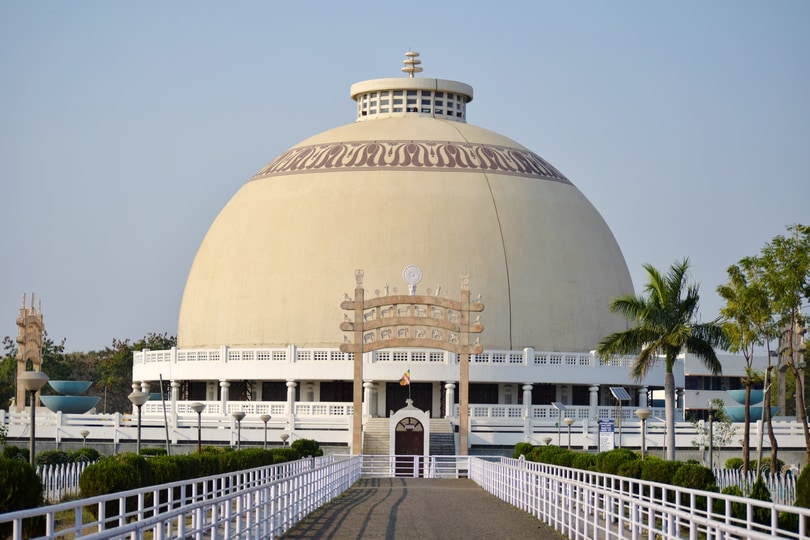
Introduction of the History of Nagpur
The city I am mentioning is the centermost city of India, Oranges of Nagpur are famous that’s why Nagpur city is also known as the Orange City, one of the most important locations in Vidarbha region.
The city name has originated from the river “Nag” which flows through it. This city basically comes under the top 10 “smart cities” of India. And by the population it is the 13th largest city. In the Vidarbha region, Nagpur is one of the biggest political as well as commercial center. It is also known as the Deekshabhoomi, basically which means site of pilgrimage and also A-class tourism.
When the survey of Nagpur was done by ABP News, it was identified the, Nagpur as the best city because of public transport, greener and health care indices of 2013. According to Swachh Sarvekshan 2016, Nagpur was the top 20th cleanest city in India. In 2018, Nagpur was awarded for the best city for best practice in Swachh Sarvekshan and also for innovation. This city is also known for the safest city for women. Out of 111 cities of India, Nagpur ranks on 31st in the ease of living index. In 2017, According to the Institute for competitiveness, Nagpur ranks as the 8th competitive city. Also, according to UN in 2019, Nagpur was the best city for living in India.
As there are many tiger reserves located in and around the city, which leads to Nagpur to be known as the Tiger Gateway of India or the Tiger Capital of India, and even the office of National Tiger Conservation Authority is located in Nagpur.
Nagpur city was found by the king Bakht Buland Shah from Deogarh and later on it came under the Bhonsale dynasty of the Maratha Empire. In the 19th century, Nagpur was captured by the British East India Company and they made the Nagpur as the capital of Central Provinces and Berar. After the re-origination happened the status of Nagpur was lost. Later, Nagpur was given importance because of the political leaders the Nagpur and it became the second capital of Maharashtra.
Description of the History of Nagpur
Out of all the earlier names of Nagpur one of which was “Fanindrapura”. Which has been derived from Marathi and Sanskrit, word Fana (means- Cobra’s hood). The First newspaper which was used for Nagpur was by the name of “Fanindramani” which defines jewel which is believed to be suspended over Cobra’s hood. This is jewel which can light the darkness all over, Newspaper named by B. R. Ambedkar mentioned that the Name of the River and the name of the city was named on the “Nag people”. At the time when British were ruling the named was pronounced “Nagpore”.
Early and Medieval History
The city was found by the leader Bakht Buland Shah of Gond Dynasty in first half of the 18th century. The culture which was earlier followed is still continuing today. First time the “Nagpur” reference was found by the Wardha district (Our neighbor) in 10th Century. While in the end of 3rd century Nagpur was ruled by the king Vindhyasakti. And in the 4th century this city and near by areas were ruled by Vakataka Dynasty with Gupta Empire.
The king Prithvisena of Vakataka Dynasty changed his capital to Nagardhan (which is around 39 kilometers from Nagpur). After the rule of king Prithvisena was over, the rule was in the hand of Hindu Kingdoms of the Rashtrakutas and Badami Chalukyas. In the 11th century, Nagpur region was controlled by Malwas and Paramaras. Between 1086-1094 it was found that the Nagpur region was under captured by Yadavas of Devagiri. In 1296 Allauddin Khilji Interveted and captured the Nagpur region and which leads to Tughlaq Dynasty to come in power after capturing Deogiri. In the 18th century Nagpur Kingdom was established by Bhosale’s of the Maratha Empire.
Modern History
Chand Sultan was the king of Deogarh after Bakht Buland Shah till his death in 1739. After Sultan’s death a new king Wali Shah, illegitimate son of Bakht Buland captured the throne. The Maratha leader of Berar Raghogi Bhosale helped the widow of Chand Sultan to help her son’s Akbar Shah and Burhan Shah to get the throne. With the help of Bhosale’s in 1743 the Chand Sultan sons came into power. In 1765, Nagpur was burned substantially by the Pindaris and then one’s again in 1811. The control of Raghogi Bhosale was so strong for the development of Nagpur in 1803. Around 1817 the Bhosale’s defeated the British in the third Anglo Maratha War which was in the alliance with the Peshwa.
This war can be named as the turning point which led to the downfall of the Bhosale Dynasty and the rise of British control over the Orange City. The British controlled the Nagpur city with Raghogi III Bhosale on the throne as the puppet. In 1853, the complete control of Nagpur was under the British after the death of Raghogi III Bhosale.
From the interval of 1853-1861, Nagpur became the part of central provinces of Berar under the commission of British Central Government with the Nagpur as the Capital. The very famous Tata group was the first one to start a textile mill in Nagpur which was known as Central India’s Spinning and Viewing company ltd. The Non-Cooperation Movement, which was very important movement in the Independence of India, started in 1920 with its launch session in Nagpur.
After Independence
The Central province and Berar, became a province of India after India got Independence in 1947. The Central provinces and Berar in 1950 were changed to the current Madhya Pradesh, which is the largest state in India with Nagpur as its Capital. In 1956 due to linguistic lines problems the Nagpur and Berar regions by transfer to the state of Bombay. In 1960, the then state of Bombay was split into Current Maharashtra and Current Gujarat. In 1956 in the public ceremony in Nagpur Dr B. R. Ambedkar with some of its supported converted their religions to Buddhism’s, which kick started the Dalit Buddhists Movement. The Go wary Stampede known as the most Violent day in the History of India happened in Nagpur in 1994. In 2002 Nagpur completed its 300 years of found and establishment.
Stories
The linking of Non-Cooperation Movement to Nagpur
A brief about the Non-Cooperation Movement which was initiated by Mahatma Gandhi on 5th September 1920. The reason behind the Movement was Mahatma Gandhi. During the times of around March of 1920, a Manifesto was released which mentioned and declared the Non-Violence ideology of the Non-Cooperation Movement. Around the time of December in 1920, a section of Congress was held in Nagpur which highlighted the key agreements of the Non-Cooperation Movement, they were agreed and undertaken. The main pointer and agenda of this particular Movement of Non-Cooperation was
1) Adoption of Swadeshi principles
2) Inculcating the Swadeshi habits and embracing them which were activities such as weaving and spinning.
3) To eradicate the norm of Untouchability.
The Movement came to a hold and stop around February 1922. In which 22 police officer were killed, when a violent mob set fire to a police station in Chaurichaura Uttar Pradesh. The incident happened when there was a conflict and confrontation between the non-cooperation demonstrators and police officers. Mahatma Gandhi completely called off the Non-Cooperation Movement as it violated the core principle what he stood for which was “Ahimsa” or “Non-Violence”.
Gandhi ji was very saddened by the vary fact of the mob going against his core of Ahimsa. Also, with the fact that senior leader of congress Chittaranjan Das and Motilal Nehru opposing the termination of Non-cooperation Movement just because of few incidences of violence.
Ramtek- A place lining to the mythological history of pre independence of India Ramtek, a culturally diverse place around 40 kms from Nagpur. The name Ramtek originated of its link from Ramayana “Ram- which stands from lord Ram, Tek- stands for rest” as a place where lord Ram rested during his movement from Ayodhya to Sri Lanka. There is also a festival known as “Kalidas” festival, which is organized and celebrated every year at Ramtek around a month of November. The origin of this festival comes from Kalidas, famously known for his Sanskrit poetry and Indian drama. There are stories which mentions that Kalida’s very famous and artistic poem meghdoot was inspired from the place of Ramtek.
The Kalidas festival is culturally very rich where celebrities gather to perform their talent of music and drama. This festival is also known as Golden time of Vidarbh region every year.
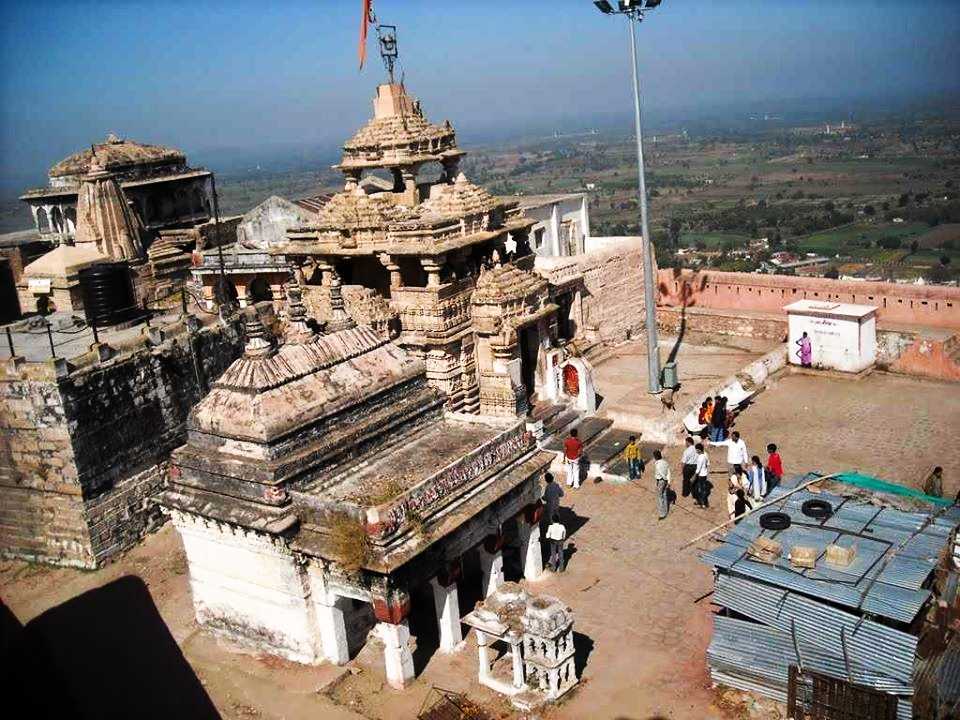
Sitabuldy fort
This fort was built around 1817 and is located in the middle of Nagpur in a small hillock region. The fort was constructed by the decedent of Bhosale family Mudhoji II Bhosale which belong to the kingdom of Nagpur. This was location where the Bhosale Dynasty and a British East India Company fought the Third Anglo Maratha war. The area surrounding the Hillock region is currently the Sitabuldy of commercial Nagpur. At the present movement the Sitabuldy fort is under the control and serves as the office of territorial army.

Zero Mile- Center of India
One of the most historic movement which is the center of India known as Zero Mile is situated in Nagpur. The Zero Mile marker points out as an Indian Geographical center whose foundation was laid by Britishers who used it as a point and benchmark to measure all the distances. The Zero Mile stone is a statue pillar of four horses made from stand stone.

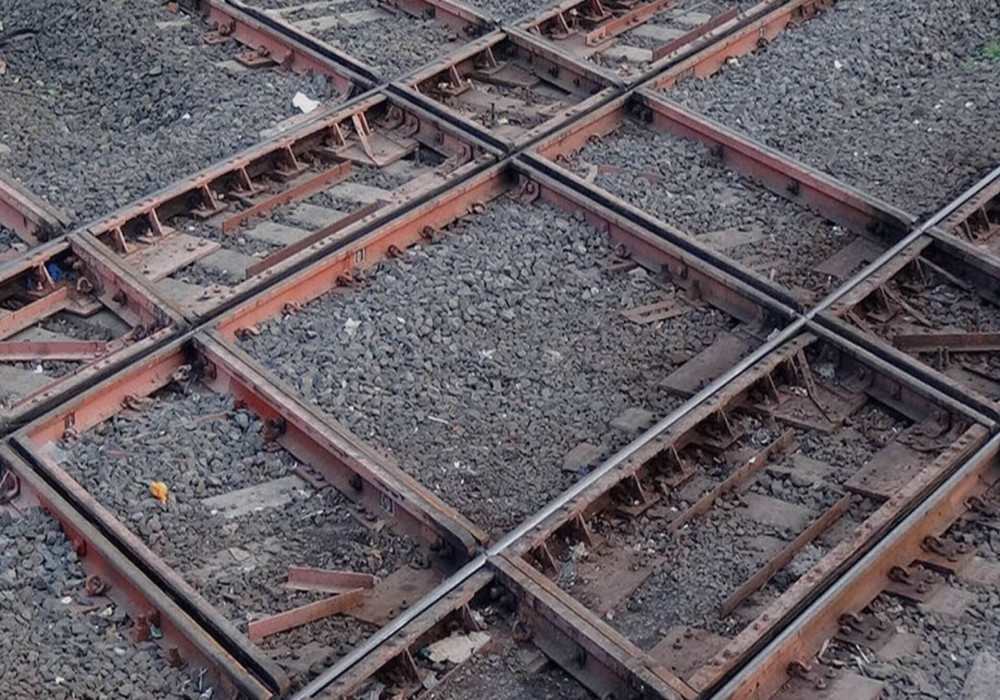
Diamond Crossing
Nagpur is very famous for one of its most prominent features known as Diamond Crossing. which is a track where trunk railway lines from all directions namely North, South, East, West meet at a Diamond Crossing. It is one of the rarest features in the history of India as well as Nagpur because no other city than Nagpur has this feature.
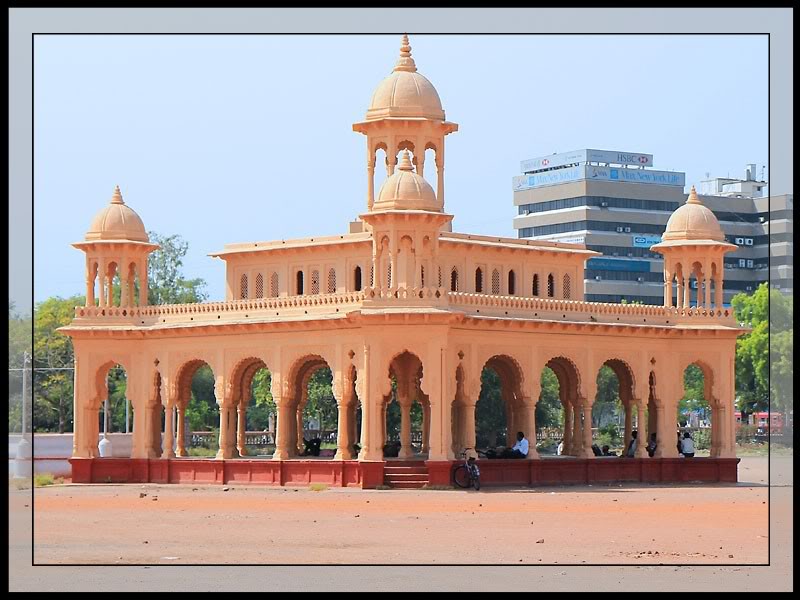
Kasturchand Park
The Kasturchand Park situated near the Reserve Bank of India is named after a very generous philanthropist “Kasturchand Daga”. The Kasturchand Daga was an entrepreneur and played a prominent role in setting up Daga Mills and Model Mill at Nagpur in Hinganghat and Badnera. His philanthropist work includes setting up of public utility services such as schools, hospitals and tanks. The Daga hospital which is currently under Nagpur Municipal Cooperation was named after him.
High Court Bench
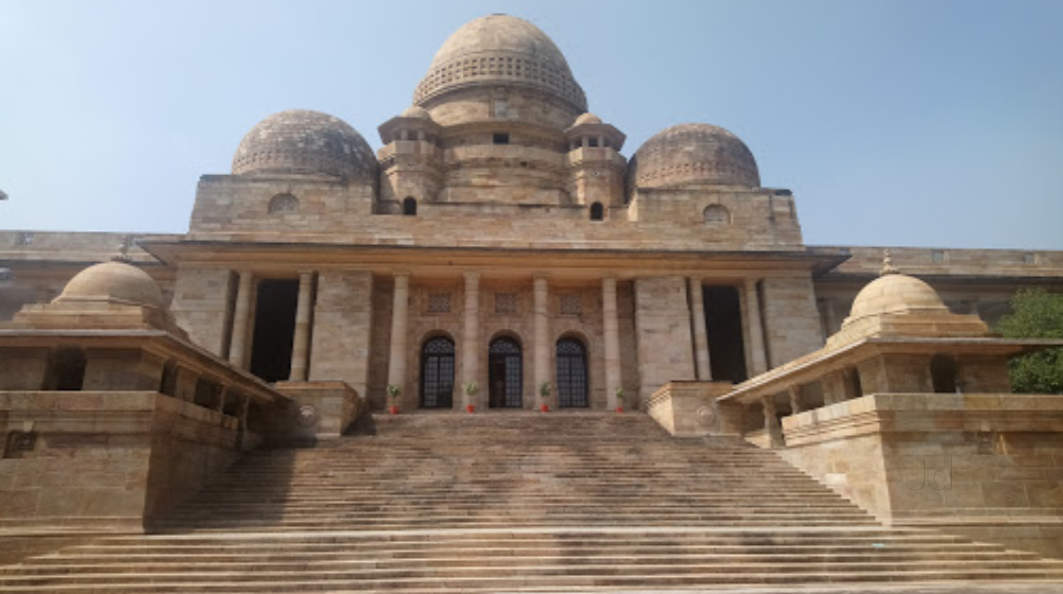
The Nagpur bench of Bombay High Court which was formerly known as the Nagpur High Court served because Nagpur was a Capital of Madhya Pradesh, the court was established in 1936. Until 1956, the Nagpur High Court as a whole served its Jurisdiction. After Bhopal was made the Capital of Madhya Pradesh, it was made a separate Bench in 1960 under the jurisdiction of Bombay High Court.


 History of Nagpur